The Future of Virtual Events: Beyond Webinars to Immersive Experiences
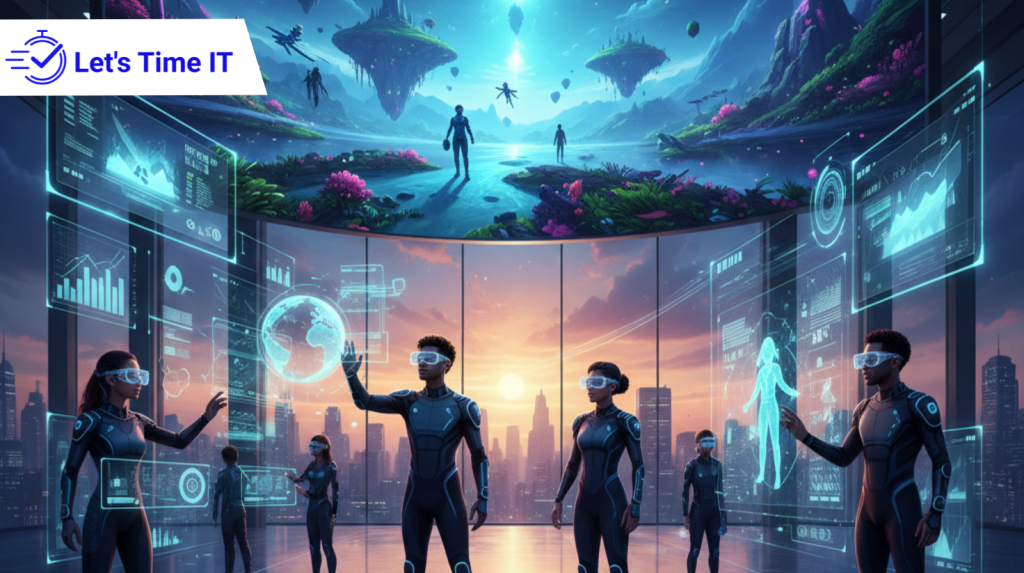
The Future of Virtual Events: Beyond Webinars to Immersive Experiences
Virtual events have come a long way. What started as simple online meetings and basic webinars has now evolved into full-scale digital experiences. Today, audiences expect virtual events to feel structured, engaging, and professional, almost like attending a real conference.
As events become more complex, managing time has become one of the most important success factors. From session flow to speaker control, timing plays a major role in how immersive an event feels. This is where modern timing tools, such as Let’s Time IT, quietly support organizers by bringing clarity, discipline, and structure to virtual events.
From Simple Webinars to Rich Virtual Experiences
Earlier, virtual events were mostly limited to slide-based webinars. One speaker talked, attendees listened, and sessions often ran longer than planned. There was little interaction and very limited control over timing.
Today, virtual events include:
- Multiple speakers
- Panel discussions
- Breakout sessions
- Live Q&A and networking
To manage this complexity, organizers now rely on a webinar timer to ensure sessions start and end exactly as planned, helping keep attendees engaged and reducing drop-offs.
What Makes Virtual Events Truly Immersive
An immersive virtual event is not just about visuals or platforms. It is about flow. Attendees should move smoothly from one session to another without confusion or delays.
Key elements of immersive events include:
- Clear session timing
- Smooth transitions
- Speakers who stay within their allocated time
- Predictable breaks
When time is visible and well-managed, participants stay focused and confident about what’s coming next.
Why Time Management Is the Backbone of Modern Virtual Events
When sessions overrun, the entire event schedule collapses. Attendees miss sessions, speakers feel rushed, and organizers lose control.
Using a countdown timer for sessions helps keep everyone aligned with the event agenda. It allows moderators, speakers, and organizers to stay synchronized and ensures that each session respects its allotted slot.
Empowering Speakers With Clear Time Visibility
Speaking at a virtual event can be challenging. Without a physical audience or stage cues, speakers often lose track of time.
Providing a visible timer for speakers helps them:
- Pace their content better
- Stay calm and confident
- End on time without external interruptions
Similarly, a timer for presenters ensures that slides, demos, and discussions remain balanced throughout the session.
Managing Multi-Session and Multi-Track Virtual Conferences
Virtual conferences now resemble physical conferences, with parallel sessions and different tracks running simultaneously. Managing this without proper timing can quickly become chaotic.
A centralized conference timer helps event teams:
- Monitor all sessions in real time
- Coordinate transitions between tracks
- Maintain consistency across the event
This level of control is essential for professional-grade virtual conferences.
Stage-Based Virtual Events Are the New Normal
Many virtual platforms now use the concept of digital “stages” , keynote stages, breakout stages, and panel stages.
Each stage needs independent timing control. A dedicated stage timer allows organizers to manage stage-level sessions without interfering with other parts of the event. Tools like stagetimer are especially helpful for moderators and backstage teams who need instant visibility into session progress.
Countdown Timers as Engagement Tools
Timers are no longer just operational tools. They also enhance the attendee experience.
A countdown timer for events builds anticipation before sessions start, during breaks, and between segments. It prepares attendees mentally and keeps them engaged instead of confused or idle.
Event Operations in the Future: Simple, Visible, and Automated
Future virtual events will depend less on complex production setups and more on simple, reliable tools that offer real-time visibility.
Organizers increasingly prefer browser-based tools that work instantly without downloads. A flexible event timer allows teams to manage time across sessions, speakers, and stages with minimal effort.
This shift toward simplicity is shaping how virtual events are planned and executed.
How Let’s Time IT Supports the Future of Virtual Events
Let’s Time IT is designed to support modern virtual events by focusing on what matters most time clarity. It helps organizers manage sessions, speakers, and stages without adding technical complexity.
Whether it’s a webinar, a virtual conference, or a hybrid event, Let’s Time IT quietly ensures that everything runs on schedule.
What the Future Holds for Virtual and Hybrid Events
As virtual and hybrid events continue to grow, attendee expectations will rise. Events will be judged not only on content, but also on how smoothly they run.
Time discipline, clear structure, and professional execution will become standard requirements not optional extras.
Conclusion: Immersion Starts With Structure
The future of virtual events lies beyond basic webinars. Immersive experiences are built on careful planning, smooth transitions, and strong time management.
When sessions start on time, speakers stay focused, and events flow naturally, attendees feel respected and engaged. With the right timing tools in place, organizers can deliver virtual events that feel professional, immersive, and memorable.
Visit Let’s Time IT for getting started.